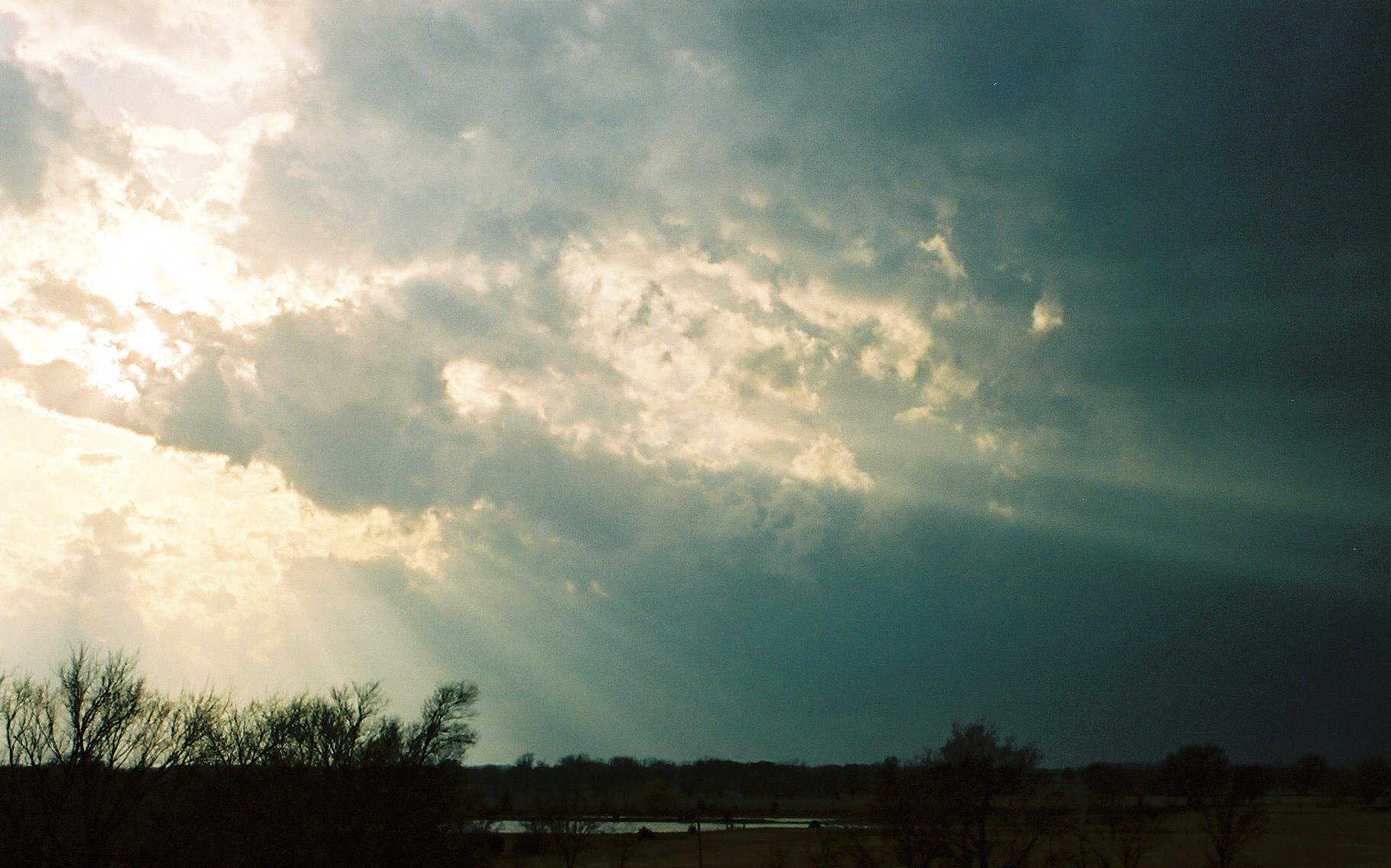
Rays of light – days of hope
I don’t know who needs to hear this today, but broken wings are still beautiful!
Broken wings can still fly. Maybe not easily, but even more impressively.

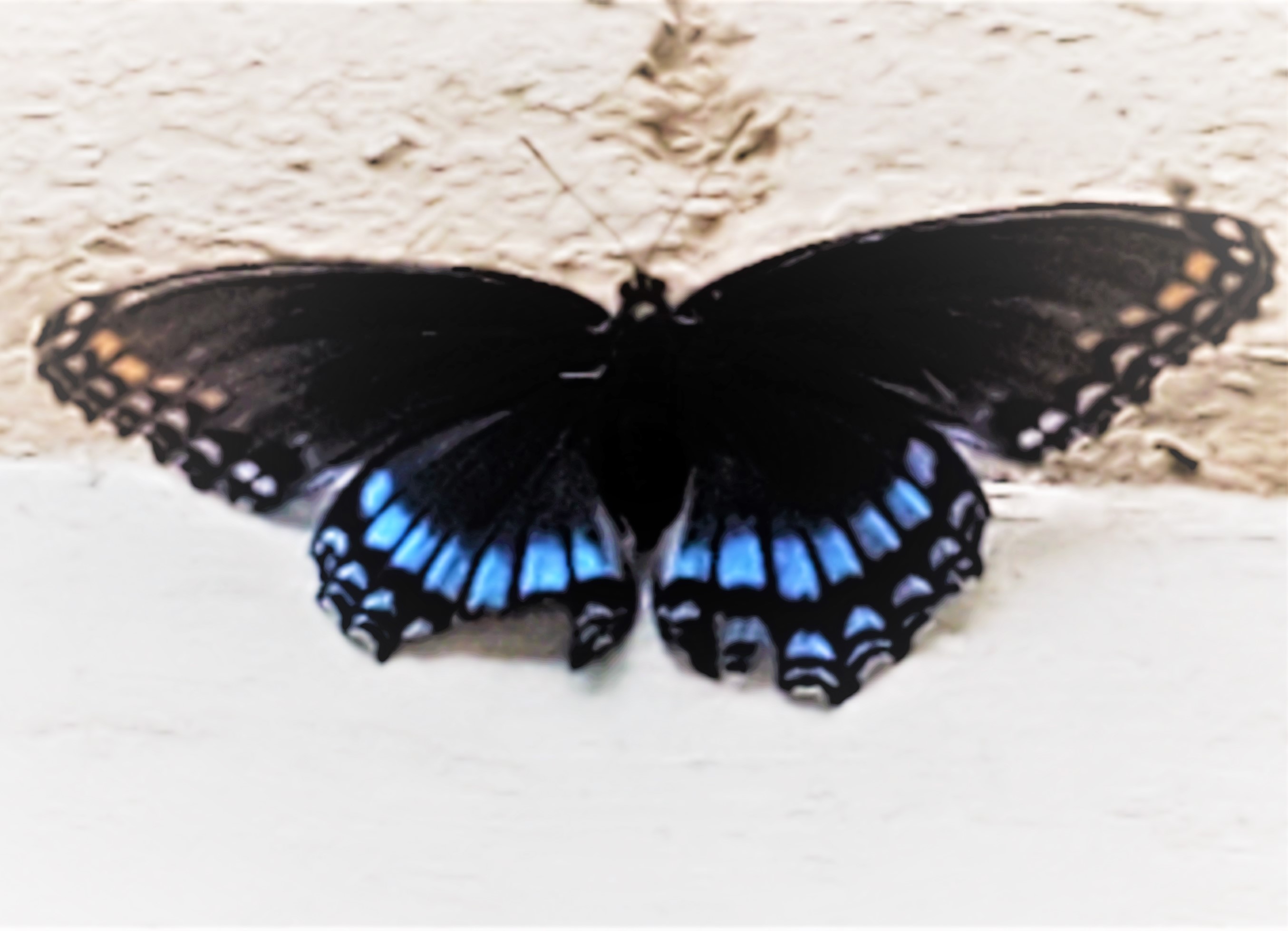
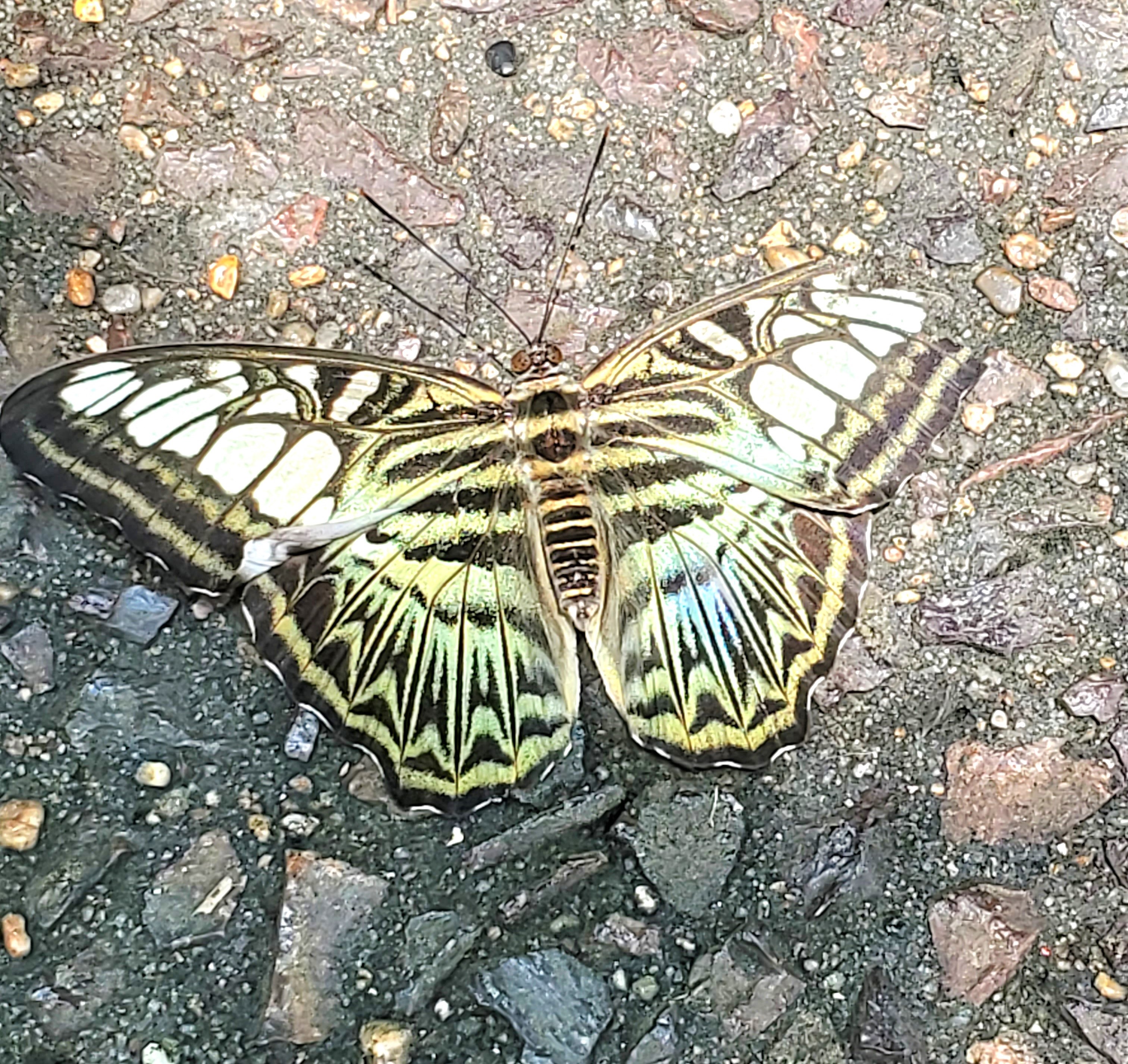
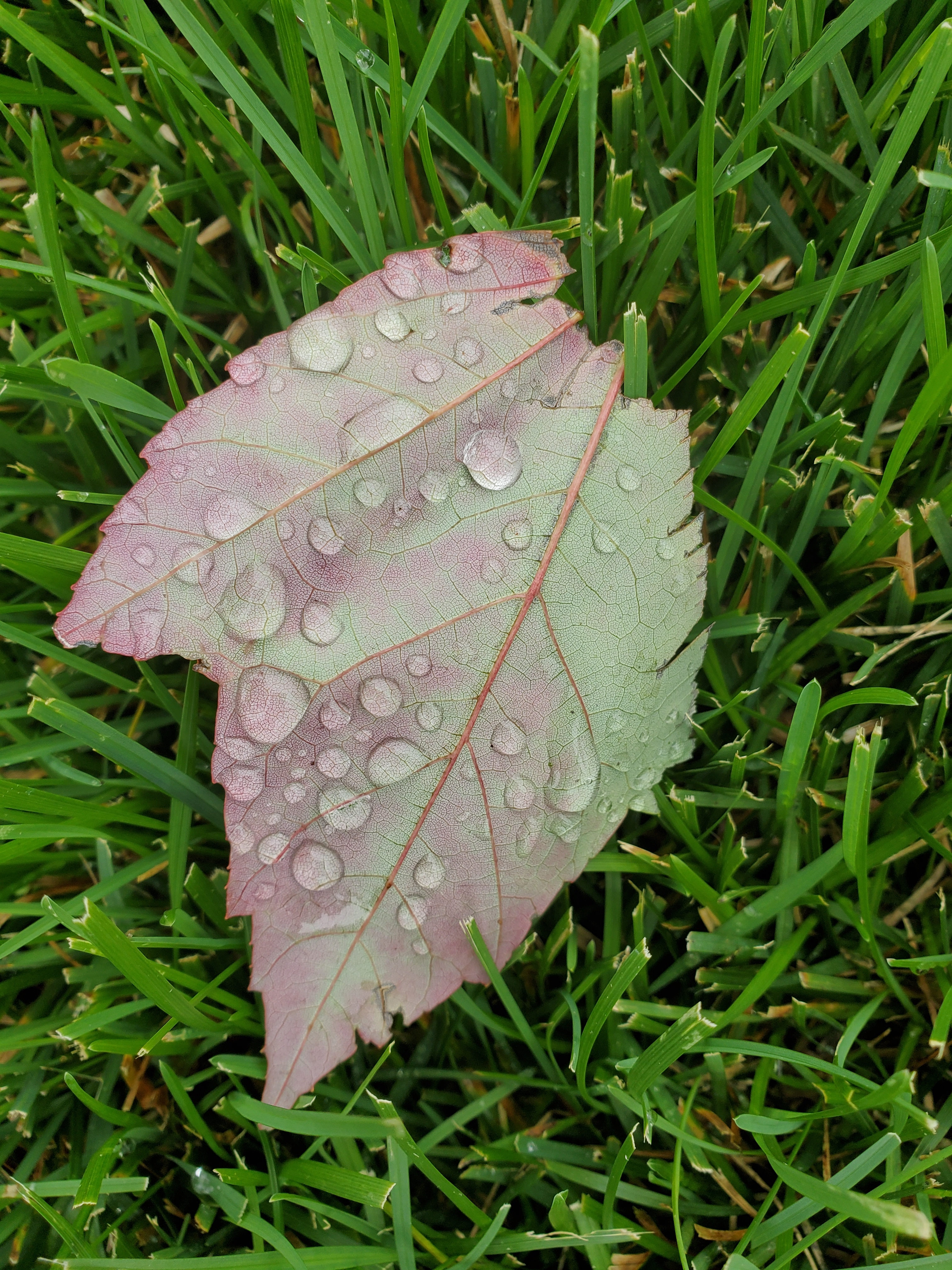
Nature is full of perfectly imperfect wonders and beauty – and so are we.
Take a moment to look for them and try to see them in yourself and others. The world (and you) will be better for it!
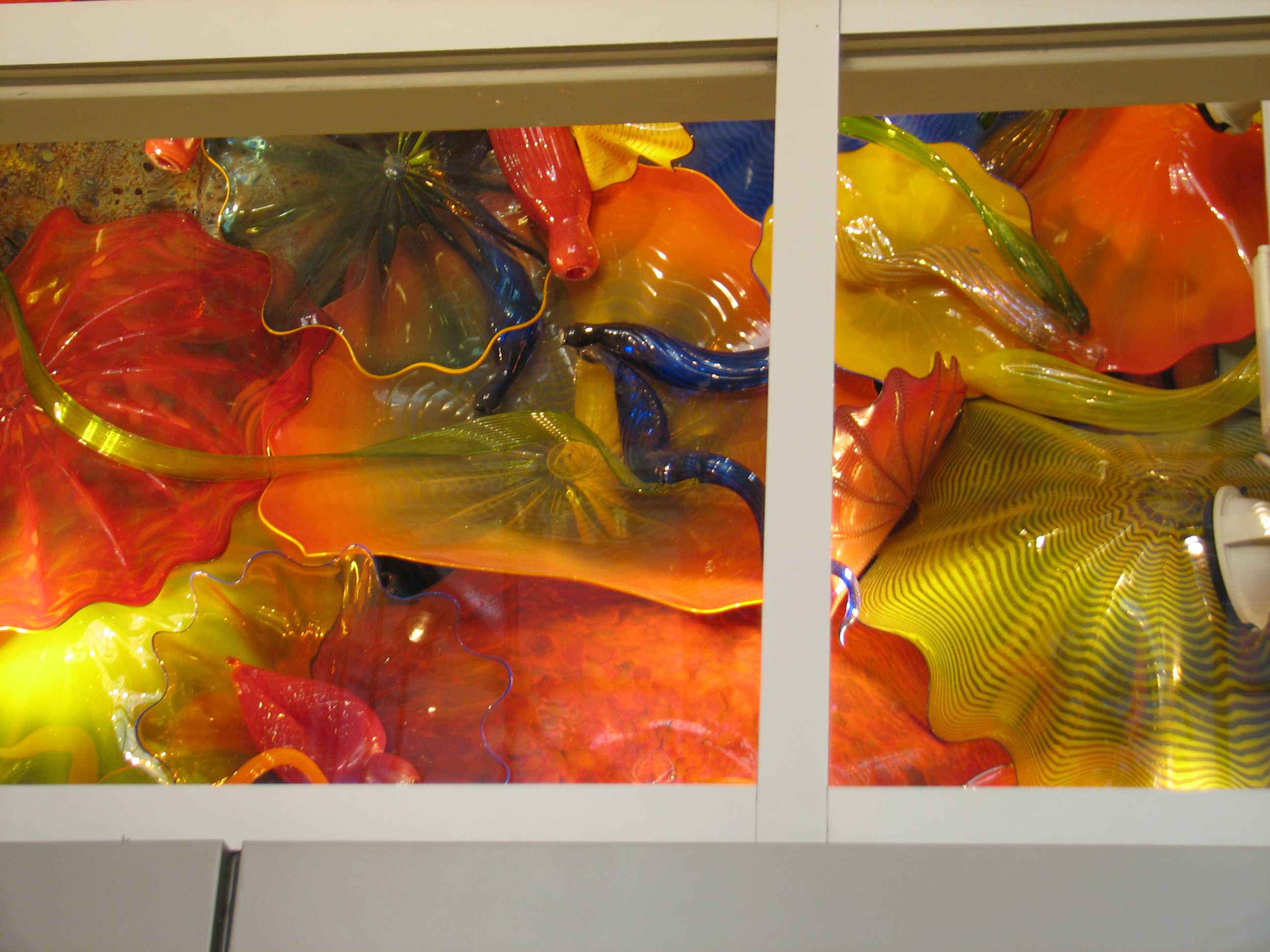
I’ve been thinking a lot about stained glass recently. In truth, for the past several years it’s been prevalent on my mind. Among my own family I’ve referred to these past challenging pandemic years as our “years of stained glass” for several reasons. First and foremost because I felt broken and needed something beautiful and hopeful to look to. Stained glass is undeniably lovely and awe-inspiring and is usually in reverently striking places.
I call it our years of stained glass because of what we’ve been through, how it affected us and wondering, as so many of us are, what should follow moving hopefully and purposefully forward. It’s comforting to frame it as taking the fragments of our post-pandemic? lives and making something beautiful out of them.
Creating stained glass is NOT an easy process! It’s messy and a little dangerous too. You take the broken pieces and painstakingly arrange them into a larger complex picture. Slowly and carefully selecting, shaping and soldering each piece into place, stained glass artists must keep the big picture in their mind, even as they work out the most minute details. Many of the pieces are broken intentionally with specific angles and shades already in mind. But not everything goes according to plan each time, and a true artist can make even the slightly wonky and misshapen pieces work in the grander scheme and use them to enhance the completed picture. The newly formed window is stronger than the original pane of glass was, not in spite of its brokenness, but because of it.
This is us.
This has been us.
We’ve been broken, sometimes with very sharp edges in ways we didn’t see coming. The world has become, it seems, an increasingly frightening and vulnerable place. In some ways it always was, but our collective and individual traumas from the past few years have brought that more sharply into focus. It would be easy to wallow in our brokenness or allow our sharp edges to be an imagined defense in such a scary world. But that’s not what we’re supposed to be. That shouldn’t be our finished product. We need to take our broken pieces and make something beautiful from them. A window of light and beauty for the world to see.

Stained glass windows have historically been used to educate and inspire. In medieval times, they were used to illustrate biblical stories to a vastly illiterate population, as well as serving as status symbols for the church’s power and influence. The churches that I attended as a child and an adult each had different versions of stained glass. Some were pictorial depictions of Biblical stories, others were merely lovely colors in interesting shapes. Nothing as magnificent as the gothic European cathedrals, but still pretty and both soothing and inspiring to look at. From within the building, stained glass is just that; soothing, inspiring, and impressive because that’s what it’s meant to be. The light from outside shines through all the colors and enlightens the room, and the people inside. But to the outside world, stained glass is dark, colorless and foreboding when the light is also from without. Too often, we’re content to take in the outer light, enjoy it for ourselves and keep it there instead of turning it outward. Stained glass shines brightest to the world when it’s dark, but only if there’s an inner light.
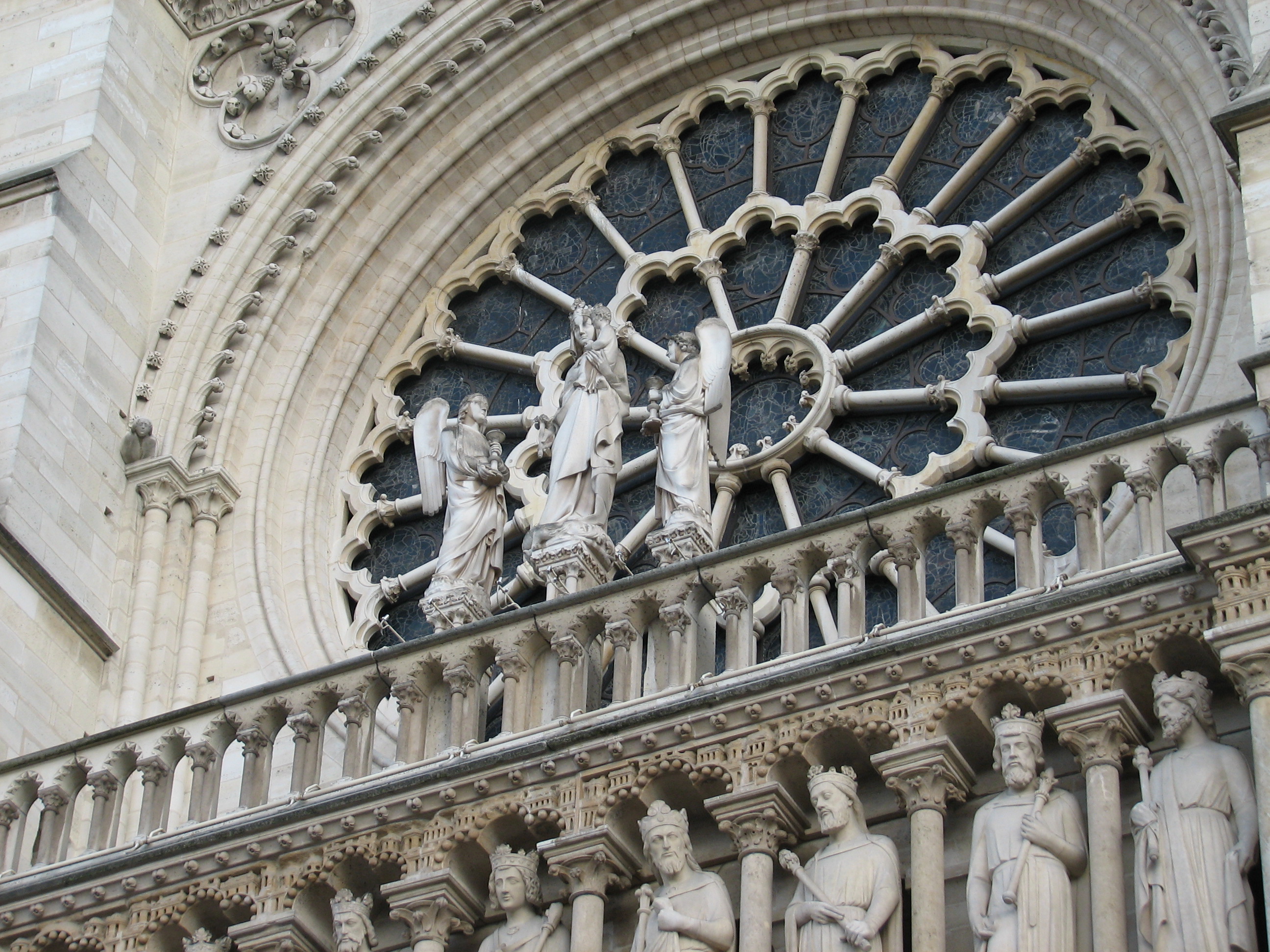
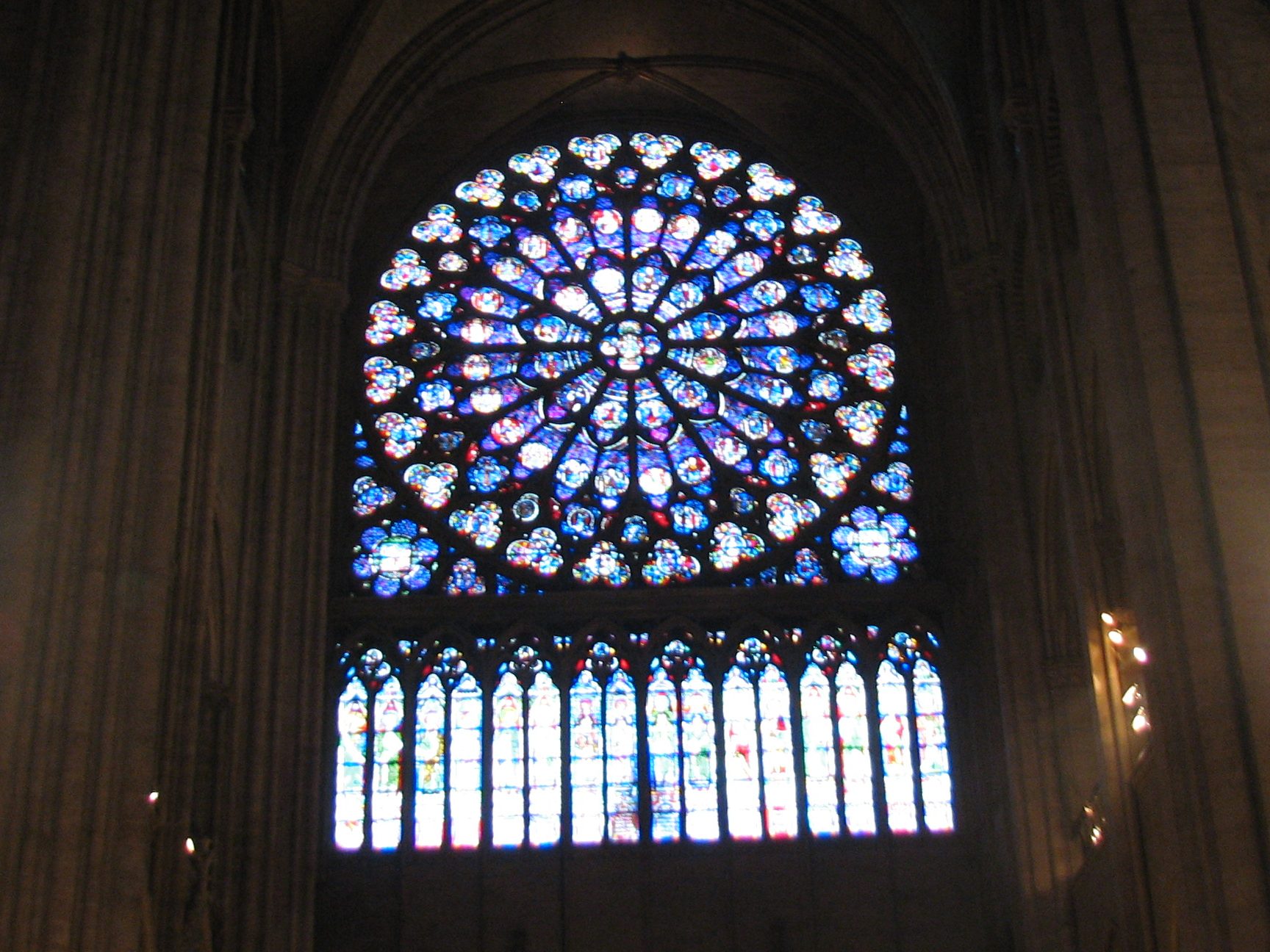
This needs to be us.
We each have the ability to take the seemingly broken pieces of our lives and make them into a new, more complex and interesting picture and shine that story out into a dark world that so desperately needs light and hope. All the light, in all the beautifully varied colors and all the intricate and unique designs! To tell each of our stories and say to the world, “Look, how broken I was and made something new from my brokenness. Isn’t it beautiful?!”
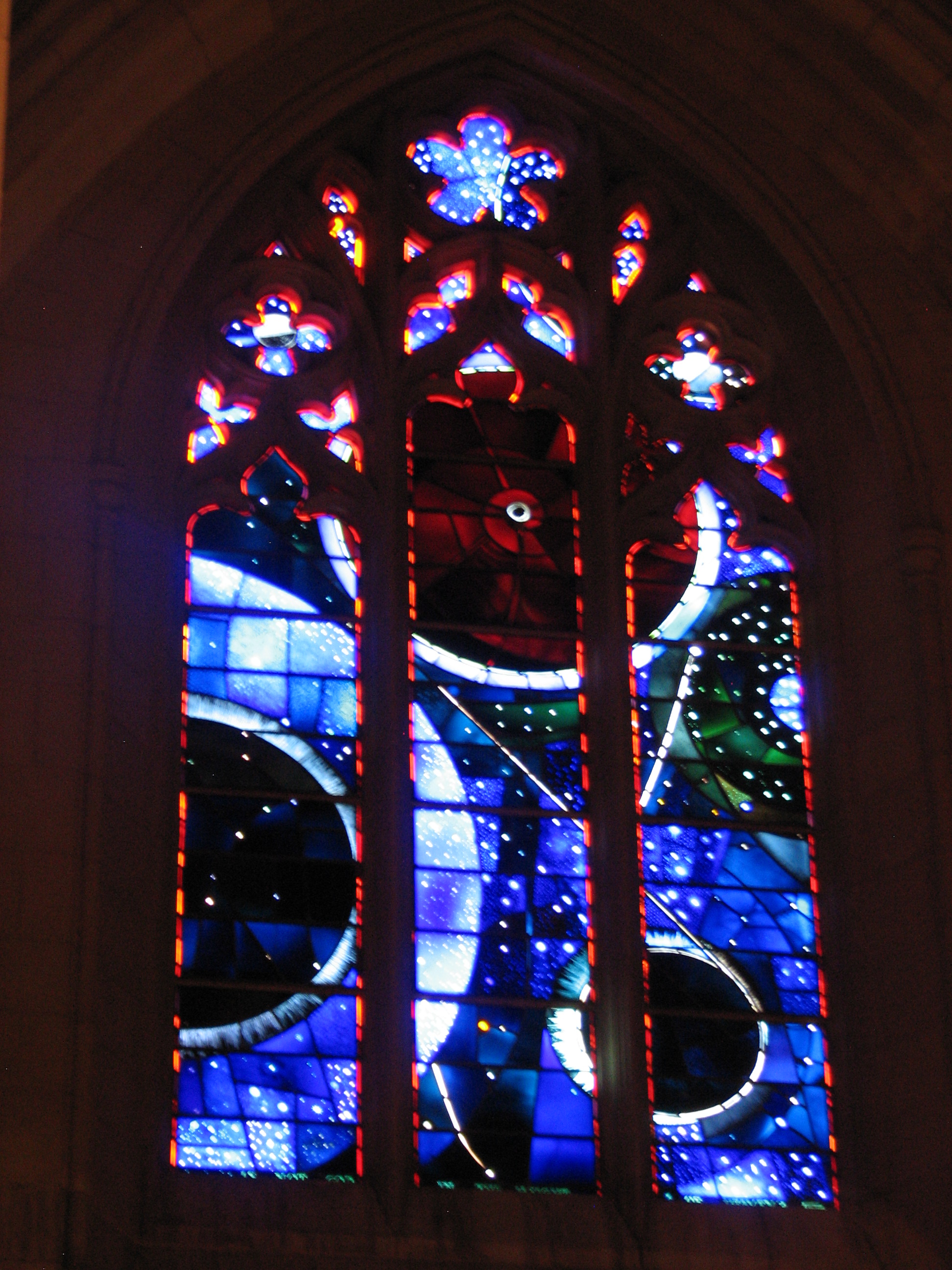
Acknowledging the brokenness is vital too because that’s how you begin to rearrange the pieces. Many of us associate stained glass with places of worship. Unfortunately, some of those places and some of the people there can be the source of brokenness for us. For me and my family, we lost our church and therefore our support community when I left my job at the school associated with that church. It was absolutely heart-breaking and foundation shaking. But as C.S. Lewis said, “You can’t go back and change the beginning, but you can start where you are and change the ending.” Shaken faith can be refortified; not with defensive walls, but restructured as a stronger foundation for a new beginning. Believing that even when people let us down, we’re still worth lifting up, and worthy of lifting up others. A dimmed light is not extinguished. It can be rekindled and refocused and even brighter than before. We can be the light of the world, but it’s up to us to choose light and hope instead of fear and bitterness. As so many artists over the years have espoused variations of the sentiment – when things break, it lets in light. Even light itself must be broken into its component wavelengths to show it’s full spectrum of glorious colors.
We’ve all lost a lot, but we’ve hopefully gained a lot in these trying times too; resilience, patience, reorganized priorities, a new appreciation for good hygiene, just to name a few. The past few years have broken me down in some serious ways. I think that’s true for a lot of us. But broken doesn’t have to mean finished. It can be the beginning of something new, something rare and hard-won but ultimately stronger, undeniably and utterly fantastic.
So how do we do this? How do we put ourselves back together and shine our individual and collective lights into the darkness?
One piece at a time.

Keeping the big picture in mind while tending to the minute details; carefully arranging each selected fragment into place. Creating a masterpiece takes time and thoughtful effort, and each of is a masterpiece! We may be under-construction, but we’re a masterpiece in the works none-the-less. With each broken piece of ourselves that we fit into its new place, we move everyone forward. No one piece of glass is responsible for being the entirety of the stained glass window. Imagine how dull and plain a single pane would look compared to the kaleidoscope of colors and shapes that we typically associate with these works of art. No, each piece needs to play its own crucial part. We need to appreciate and support each other’s amazing individuality as we bring together our new complex creations. My stained glass window may not won’t look like my neighbors, or anyone else’s. Not only is that ok, it’s ideal.
So whatever particular shape that takes for each of us; volunteering, donating time or resources to a worthy organization, planting a garden, speaking up against injustice, learning a new skill, embarking on a new career, being kinder, being more patient, healing the past with therapy, or meditation, or prayer, or all of those. Whatever positive ways in which we can begin to be made whole after experiencing so much brokenness moves us forward, glues us back together, strengthens us and shines our rekindled lights out to illuminate the world.
A beacon of hope and beauty for the world to see.
It’s been plenty dark. Time to let this little light of mine, shine. Time for each of us to let all of our lights shine, together.
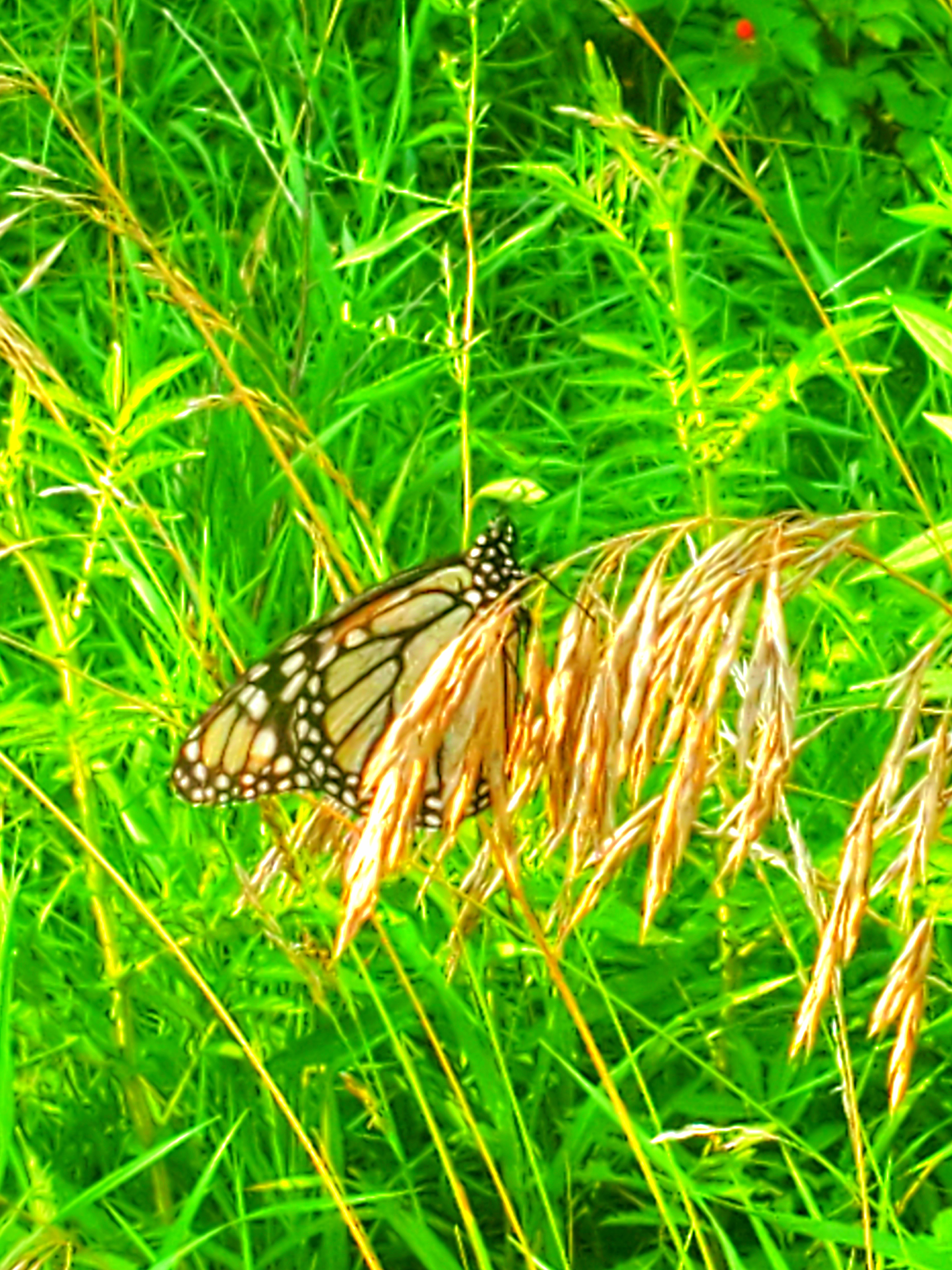
Waiting For My Wings to Dry
If you had asked me at the beginning of the pandemic, or even in the middle of the storm, what this was, I would’ve called it a nightmare. My nightmare. So many of my worst fears coming to life. A global plague, isolation, quitting my job, changing my 20-year career and with that losing my sense of identity, losing our support community, and so much more. Let me explain:
I was a teacher. Was. In the before times, specifically March of 2020, with a middle school science classroom full of science fair projects, we were preparing for the next week’s upcoming science fair. On that fateful Friday the 13th, with only an hour and a half notice, the other teachers and I frantically scrambled to prepare our students for the looming disaster. “Send everything home with them that you can,” we were told. In addition to passing out notebooks and materials, I spent much of that frenetic time reassuring worried kids that it would all be ok. We’d pick up where we left off with presentations and projects in 2 weeks, when school reopened. For me, it never did.
I finished out the school year virtually, like everyone else. Stumbling my way through recorded lessons, virtual labs, and frustrated phone calls. To the best of my ability, I learned new programs and formats as fast as I could trying to help reach and support struggling families and impart information from a distance, which was not an easy task with my subject. The stress on the faces of my colleagues during our virtual staff meetings became replaced with apathy and resignation. I don’t think I’m the first person to liken what we went through to trying to fly an airplane while building the airplane … on fire.
It was never enough.
Teaching is very often a thankless profession in normal times and these were definitely not normal times! Don’t get me wrong, as the daughter and grand-daughter of multiple career teachers, I went into this profession with very open eyes and a full understanding of it’s necessary sacrifices and short-comings. But this was something else. There were a few “How do they do it?!” on-line videos of appreciation for teachers across the country, but for the most part what we received was frustration. And for every “Teachers should be paid a million dollars!” post from a frustrated parent on social media, there were double or triple that directly to us in the forms of demanding e-mails and phone calls. I don’t know if parents forgot that we were human or that so many of us were parents too; trying not only to shepherd their children through this crisis, but trying to get our own children through it as well? All of my efforts for going above and beyond were met with either silence or complaints, deepening the growing senses of isolation and failure. I tried to take it all with a grain of salt and understand that parents were lashing out due to their own stress and frustration. It’s much easier to send an angry e-mail to the person you perceive as making your struggles harder than to an invisible virus. We became verbal punching bags for angry parents whose lives felt out of control. Even some people who I had considered friends and allies distanced themselves and relationships became instantly frosty. It was devastating.
At the end of the school year, I returned masked to my time capsule of a classroom, and prepared to send home the tri-fold boards for students’ unfinished science fair projects. I tearfully put encouraging and colorful stickers on the boards before loading them into the gymnasium for parents to collect, along with any other forgotten supplies, like an education dumping ground. It was both a completely anti-climatic and completely fitting end to the school year.
I retreated to the sanctuary of my home and tried to both recover from the stress of the year and prepare for the next. Over the summer, it became increasingly clear that I would need to leave the classroom to be at home with my remote-learning children. I was so burned out and singed that when that year ended, I decided not to go back to the classroom again. At all.
“So what now?” became my daily nagging question. What do I do? Teaching is what I’m trained for and what I believed I was called to do. It seems I’m not the only one with these questions. In due course, every member of my immediate and extended family, former coworkers and well-meaning friends have asked some variation of the question, “Do you think you’ll go back to teaching?”
No.
No, I don’t think I will. Which breaks my heart. I was a 3rd generation teacher. And to be clear, I still believe in education and its power to change lives and be a force for good in the world. I have so much respect for those who are still persevering in these unprecedented times in the classroom! But too often I have been bruised and battered by this system that I was trying so hard to work with and improve; it’s time to preserve myself for my family and find another way to do good in the world.

So now what?
Transformation takes time. Reinventing yourself takes time. It takes effort and patience and grace. A lot of grace, especially toward yourself. I am not particularly adept at that part. Grace and understanding for others I can do, but for me? I needed to get my mess together yesterday! Added to that is the weight (self-imposed of course!) of producing something tangible and worth-while; something to show not only to myself, but also to my former colleagues, and to the world, to prove that I still have ambitions and capability and therefore, value.
I’ve always liked the image of butterfly metamorphosis and transfiguration as metaphors for major changes we go through in life. That helps in these times, because even though I want so badly to take off and fly freely in a new direction, most days I feel as clumsy and slow as a lumbering caterpillar, plodding along routinely and unsure of what’s to come. Do caterpillars know what to expect? I’ve always assumed they do, that somehow when they begin to curl up in their chrysalis, they aren’t afraid of what the uncertain future holds. But maybe they don’t? If not, that takes an impressive amount of faith and bravery to move forward not knowing what or who you’ll become!
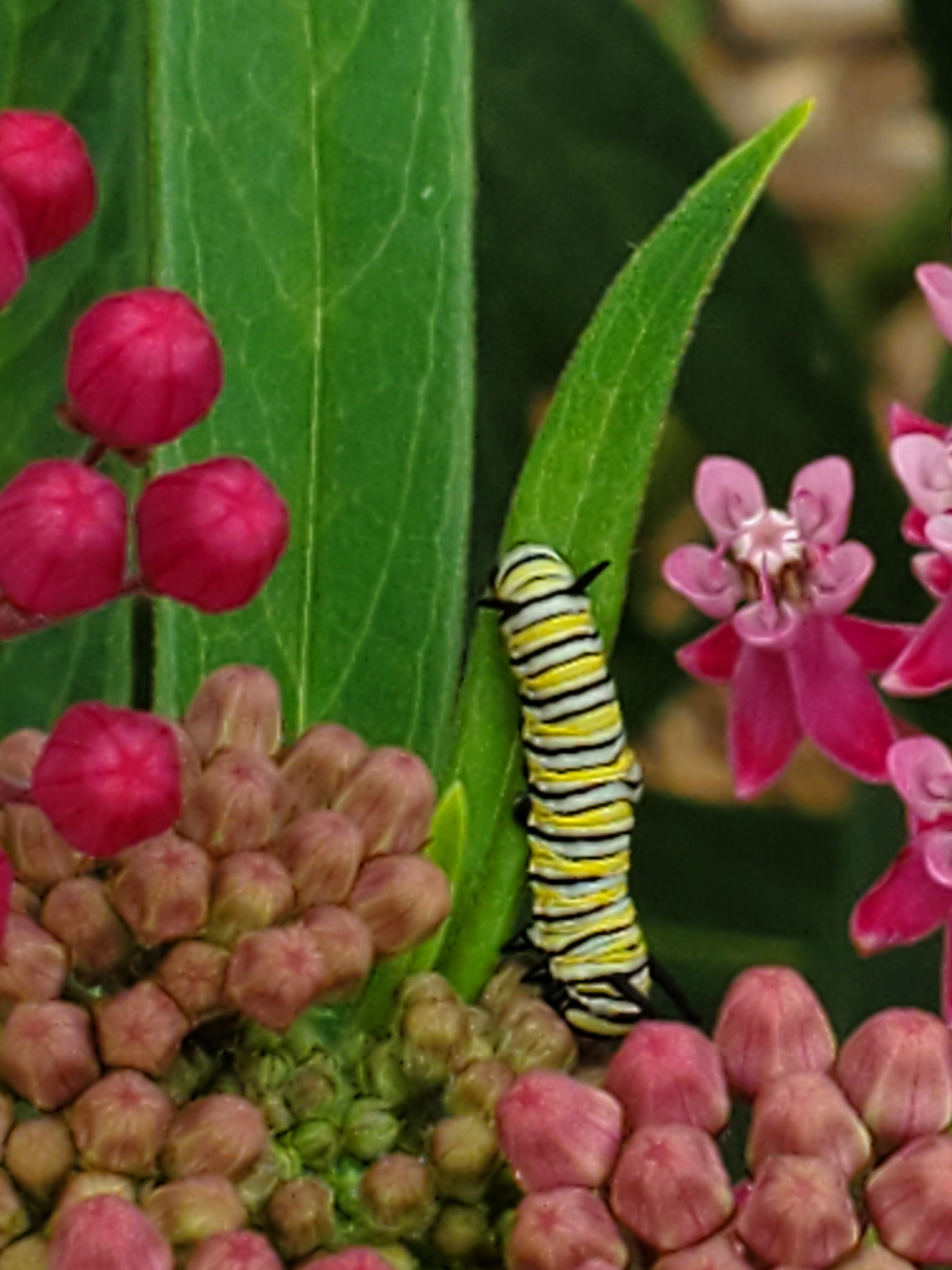
Let’s be very clear, metamorphosis is an unpleasant process! The caterpillar basically melts inside its chrysalis and is rearranged and reformed into a butterfly. That doesn’t sound like a lot of fun to me though I can certainly relate to feeling like you’re melting from within and everything you think you know is fading away! But that moment of emergence – of being made new – that must be worth it!
Here’s a cool thing I learned recently about butterflies, their wings were always there. Even in their larval caterpillar stage, the blueprint for their future selves is encoded in their DNA. So, when they go through the very challenging and one would assume painful process of metamorphosis, the spectacularly beautiful end result is assured even if it’s not visibly obvious yet. The caterpillars don’t design their wings or will them into existence. So maybe I don’t need to fretfully try to find my new form and new path with so much pressure. Maybe I just need to rest and wait and trust that my wings, which have really always been there, will emerge.
Ugh, waiting! But that’s what caterpillars do; rest and wait for new wings to present themselves. And while that might be (is) extremely difficult for me, (for many of us) to do, it is an important part of the process. Even when the new form is achieved, and the chrysalis is opened, the butterfly doesn’t flit off immediately. They hang upside-down from their chrysalis and let their amazingly beautiful and delicate wings slowly unfold and dry in the sun before taking off into the sky. That’s where I am now.

Throughout the past few months, I’ve rediscovered a passion for writing, for creating art and photography. These are things I’ve always loved but never believed that I could make a living at. That may or may not end up working out, but I’m willing to at least give it a try. Finding a way to use talents as a force for good in the world, take care of my family, and my own heart at the same time is not easy, but it’ll hopefully be worth it.
If you had asked me before what this pandemic time was, I would’ve said it was a nightmare. But now, I’m choosing to call it my chrysalis. I cocooned at home, was broken down, rested and reformed into a new version of myself. I think I may have found my new wings. They were always there. Now I’m just waiting for them to dry so I can soar.
 sunflowerblessings